
Professional Concert Lighting: Enhance Your Stage Experience with Dynamic Lighting Design
Classification:
summary description]
When it comes to live performances, lighting isn’t just a technical requirement—it’s the soul of the show. Professional concert lighting transforms an event from a simple gathering to a full-on visual experience. Whether it’s an intimate club performance or a massive arena show, lighting plays a huge role in shaping the mood, amplifying the music, and making the audience feel like they’re part of something special. Let’s take a closer look at how professional concert lighting does all this and more.
What Exactly Is Professional Concert Lighting?
Think of professional concert lighting as the unseen partner of the music. It's not just about shining a light on the band. It's about using a mix of high-tech lighting equipment to enhance the performance, from LED spotlights to moving head lights and even lasers. Concert lighting is complex and dynamic, designed to fit the exact vibe of the performance. The lights change color, intensity, and movement, all timed perfectly to the rhythm and emotions of the music.
These lighting fixtures are carefully arranged around the stage. They follow the music, changing the mood in real-time and helping the audience feel every beat and note.
Why Is Professional Concert Lighting So Crucial?
1. Amplifying the Visual Impact
Lighting isn’t just for illumination. It’s about creating moments of visual drama. A bright, intense spotlight can turn a solo performance into a decisive moment. Meanwhile, softer, ambient lighting can bring out the subtleties in a slow ballad. Whether it’s a flood of color or a pinpointed beam, lighting helps elevate the music, drawing out its full emotional impact.
2. Building a Dynamic Atmosphere
Imagine a concert with no lighting changes. It would feel flat, lifeless, and uninspired. Proper lighting, on the other hand, turns a show into a journey. Fast-paced songs might have quick, flashing lights to keep the energy high. Slow tracks could use a soft, almost ethereal glow, helping the audience immerse themselves in the moment. Constantly shifting lighting keeps things exciting and unpredictable, maintaining the audience's engagement.
3. Highlighting Performers and Stage Details
Of course, lighting ensures that everyone on stage is visible. But it's more than that. The lighting focuses the audience’s attention where it needs to be, whether it's on the lead guitarist or the vocalist. It can also bring attention to the stage’s design, from backdrops to props. Without proper lighting, even the most impressive stage setup would fall flat.
4. Supporting the Storytelling
Every great concert tells a story. Lighting helps bring that narrative to life. It complements the lyrics, mood, and themes of the music. For example, red lights might create a sense of danger or passion, while cool blue tones might evoke calmness or sadness. It’s all about reinforcing the emotion of the moment.
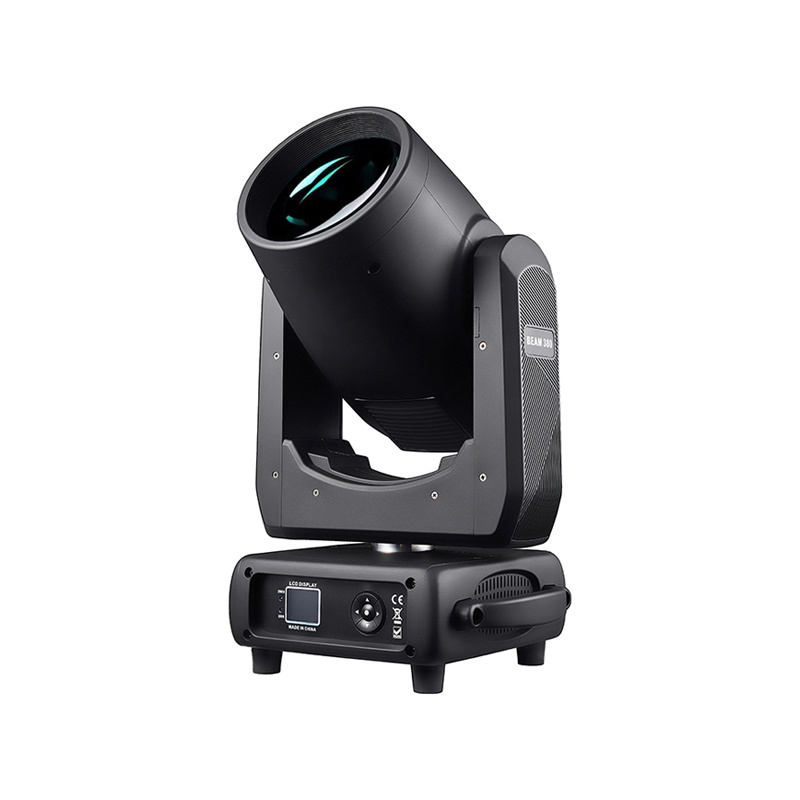
Types of Professional Concert Lighting
There’s no shortage of lighting options when it comes to designing a concert. Here are a few of the most common:
1. LED Spotlights
LED spotlights are the go-to for precise, high-intensity lighting. They focus on a specific performer or area and can shift color, angle, and intensity in an instant. These lights are incredibly versatile—ideal for changing up the look of the stage quickly as the performance evolves.
2. Moving Head Lights
When you think of dynamic lighting, moving head lights are probably what comes to mind. These lights can rotate and tilt to create all kinds of effects. They’re great for sweeping beams of light that move across the stage, following performers, or accenting certain moments. They’re perfect for adding fluid motion to the lighting design.
3. Flood Lights and Par Cans
Floodlights and par cans bathe the stage in color. These fixtures provide broad washes of light, perfect for creating significant background effects. If you want the entire stage (or even the crowd) to be lit in a specific color, these lights get the job done.
4. Laser Lights and Special Effects
For larger shows, laser lights are often used to add an extra layer of visual excitement. They can create vivid beams of light that move in patterns, adding a futuristic or high-energy vibe to the performance. Lasers are often used in conjunction with fog machines or strobe lights for even more dramatic effects.
The Role of Lighting Designers
While the equipment is essential, it’s the lighting designer who truly brings the show to life. They work closely with the performers, sound engineers, and stage managers to create a lighting plan that complements the overall performance. The designer ensures that the lights are positioned correctly and that they sync perfectly with the music. They’ll use specialized software to program each light change, ensuring that every moment feels perfectly timed.

Best Practices for Professional Concert Lighting
1. Understand the Genre of Music
Every genre has its own lighting needs. A rock concert will require different lighting effects than a classical performance. High-energy genres like electronic or rock music benefit from bold, colorful lighting with fast movements. On the other hand, softer genres like acoustic or orchestral music call for subtler, more controlled lighting.
2. Engage the Audience
Concert lighting isn’t just for the performers. Some of the best lighting designs incorporate the audience, too. Lights can move out into the crowd or even interact with audience members via LED wristbands or screens. This creates a sense of unity and heightens the excitement.
3. Build Momentum with Lighting
Lighting can build excitement, just like the music. Start with softer, more subdued lighting and gradually increase the intensity as the show progresses. This builds anticipation and makes the climax of the show feel even more impactful.
Conclusion
Professional concert lighting isn’t just about shining lights on the performers. It’s about creating an experience—one that connects with the audience and amplifies the energy of the music. From LED spotlights to moving heads and lasers, lighting brings a new dimension to the performance. For artists, producers, and event planners, investing in high-quality lighting equipment and working with experienced designers is essential to creating a show that people will remember.
Frequently Asked Questions (FAQs)
- What is the purpose of professional concert lighting? It enhances the visual atmosphere, directs focus, and creates emotional impact, all while syncing with the music.
- What types of lights are commonly used in concerts? LED spotlights, moving head lights, flood lights, par cans, and special effects like lasers and strobes are all commonly used.
- How do lighting designers work with the performance? They collaborate with artists and stage designers to ensure that the lighting complements the music, mood, and overall vision of the show.
- Can concert lighting change throughout a show? Yes, lighting is dynamic and can evolve throughout the performance to match the energy and pace of the music.
- What makes moving head lights unique? They are versatile lights that can rotate, tilt, and move in various directions, offering flexibility and dynamic effects for a concert.
More Cases


Online Message
Quick Links
Contact Information
Address: A8 Building Meiwang Industrial Park, Guangtang south street, Huadu District,Guangzhou, China.
Phone: +86 158 1889 3706
WhatsApp:+86 158 1889 3706