
Kinetic Lights: Revolutionizing Stage Design and Artistic Expression
Classification:
summary description]
The world of stage design has undergone a massive transformation with the advent of kinetic lights, which are redefining the possibilities of creative expression. These dynamic lighting systems offer a blend of movement, color, and innovation, captivating audiences worldwide. In this article, we delve into the intricacies of kinetic lights, their applications, benefits, and why they are the ultimate game-changer for events, concerts, and installations.
What Are Kinetic Lights?
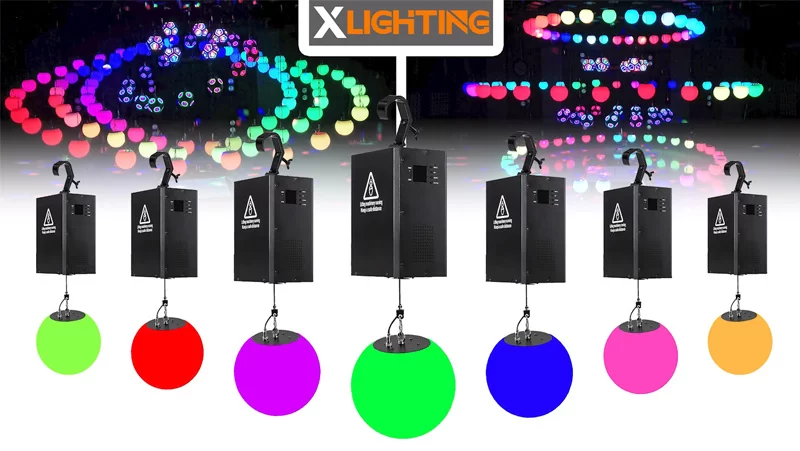
Kinetic lights are advanced lighting systems that combine programmable movement with stunning illumination. Utilizing motorized winches, these lights can move up and down, creating mesmerizing three-dimensional effects. Paired with dynamic light sources like LEDs, kinetic lights enable artists to craft fluid and visually captivating displays.
These systems are often synchronized with music or interactive elements, making them a cornerstone for immersive experiences. With endless possibilities for customization, kinetic lights are used to create choreographed displays that leave audiences in awe.
The Technology Behind Kinetic Lights
Kinetic lights are powered by state-of-the-art technologies that include:
- Motorized Winches: These allow precise control over the movement of light fixtures, ensuring smooth and synchronized operation.
- DMX and Art-Net Protocols: Widely used in stage lighting, these protocols enable seamless communication between lighting consoles and fixtures.
- High-Quality LEDs: Kinetic light systems use energy-efficient LEDs capable of producing millions of colors with adjustable brightness levels.
- 3D Software Integration: Designers can use specialized software to create intricate movement patterns and visual effects.
These components work harmoniously to deliver stunning effects that push the boundaries of traditional lighting.
Applications of Kinetic Lights
The versatility of kinetic lights makes them ideal for a wide range of applications:
- Concerts and Music Festivals
Kinetic lights have become a staple in concerts and festivals, where they add depth and dimension to performances. From moving light spheres to lifting LED panels, these systems synchronize with music, enhancing the atmosphere and connecting the audience to the show.
- Corporate Events
For corporate events, kinetic lights can be used to create an aesthetic and memorable experience. Dynamic lighting displays help set the tone for presentations, award ceremonies, and product launches.
- Architectural Installations
In architectural spaces, kinetic lights are used to craft mesmerizing art pieces. Their movement adds an interactive element to lobbies, galleries, and public spaces.
- Stage Productions
From theater plays to dance performances, kinetic lights add a new layer of storytelling. Designers can choreograph light movements to complement the narrative, creating an immersive audience experience.
- Interactive Exhibitions
Kinetic lighting installations often encourage interaction, making them popular in museums and science centers. Visitors can manipulate light movements, making the experience both educational and entertaining.
Advantages of Kinetic Lights
Kinetic lights offer a multitude of benefits that make them indispensable in modern stage design:
- Unmatched Visual Appeal
The dynamic nature of kinetic lights allows for visually stunning effects that capture attention and elevate any event or performance.
- Customizability
From color schemes to movement patterns, every aspect of kinetic lights can be customized to align with the theme or mood of the event.
- Energy Efficiency
The use of LED technology ensures lower energy consumption, making kinetic lights an eco-friendly option for large-scale installations.
- Enhanced Audience Engagement
The combination of light and motion creates an immersive experience, drawing audiences into the performance and leaving a lasting impression.
- Innovation in Design
Kinetic lights enable designers to think beyond static setups, encouraging creativity and experimentation in stage and architectural design.
How to Choose the Right Kinetic Light System
When selecting a kinetic light system, several factors should be considered:
- Purpose of the Installation
Understanding the specific requirements—whether it's for a concert, exhibition, or permanent installation—will guide your choice of equipment.
- Budget
Kinetic light systems can vary significantly in price. While high-end setups offer advanced features, there are also cost-effective solutions for smaller events.
- Compatibility
Ensure the system is compatible with existing lighting consoles and control protocols like DMX or Art-Net.
- Scalability
Choose a system that can be scaled up or down depending on the size of your event or installation.
- Technical Support
Reliable technical support is essential for the smooth operation of kinetic lights, especially during live events.
Notable Examples of Kinetic Lights in Action
- Prada's Fashion Show
Prada incorporated kinetic lights into one of their runway shows, using dynamic lighting to complement the models and highlight the designs.
- London Light Festival
During the festival, kinetic lights transformed the cityscape into an interactive art piece, captivating residents and tourists alike.
- Commercial Advertising
Brands like Audi and Nike have used kinetic lights in advertising campaigns to create visually striking installations that emphasize innovation.

Future Trends in Kinetic Lighting
As technology evolves, the future of kinetic lighting looks even brighter. Emerging trends include:
- Integration with AI and Machine Learning: Systems that can adapt in real-time to audience interactions.
- Wireless Technology: Enhanced mobility and reduced setup complexity.
- Eco-Friendly Innovations: Further advancements in energy-efficient materials and designs.
These trends promise to make kinetic lights even more accessible and versatile in the coming years.
Conclusion
Kinetic lights represent the pinnacle of modern lighting technology, merging movement and illumination to create unforgettable experiences. Whether it's a concert, corporate event, or architectural installation, these systems offer unparalleled flexibility and visual appeal. As pioneers in innovation, kinetic lights continue to push the boundaries of what's possible in stage design and artistic expression.
More Cases


Online Message
Quick Links
Contact Information
Address: A8 Building Meiwang Industrial Park, Guangtang south street, Huadu District,Guangzhou, China.
Phone: +86 158 1889 3706
WhatsApp:+86 158 1889 3706